Trap-Neuter-Vaccinate-Return (TNVR)
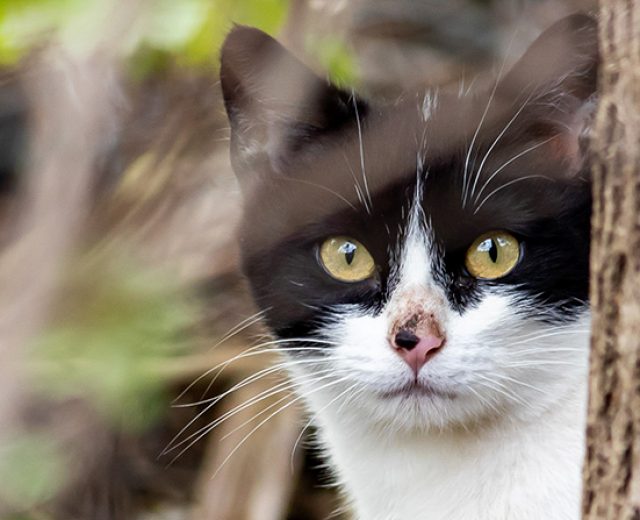
Since 2005, Tree House has been at the forefront of identifying and implementing effective strategies for solving the issue of outdoor cat overpopulation. We currently support more than 1,000 volunteer Colony Caretakers across Chicago who help ensure that their community cats are sterilized, vaccinated, and provided with food, water, and shelter to sustain their health. Caretakers and community volunteers trap cats, bring them to Tree House for TNVR surgery and updated vaccinations, and return them to their home communities.
As cute as they can be, not every cat is meant to thrive in a home environment. You can learn more about how to care for outdoor cats (and why TNVR is so successful) from our colleagues at Alley Cat Allies, PAWS Chicago, and Anti-Cruelty.
Trap Rentals and TNVR Surgery
If you need assistance implementing TNVR in your home area, contact Tree House at info@treehouseanimals.org. Our staff will be happy to counsel you and suggest some options for managing the outdoor cats in your neighborhood. This may include Tree House coming out to perform TNVR services for you, if necessary, and teaching you how to continue in the future.
Tree House offers two-week rentals of humane traps at its main shelter at 7225 N. Western. A deposit of $90 (refundable upon trap return) plus a $5 non-refundable service fee is required. Credit card payments are preferred.
Trap rental pick up/drop off hours are: Wednesday through Sunday, 10 a.m. to 6 p.m. No appointment is needed. Email info@treehouseanimals.org for more information.
Tree House performs TNVR surgeries by appointment at our Veterinary Wellness Center. Please call 872–302–4671 or email our Client Service Coordinators at clientcare@treehousevet.org to schedule a TNVR appointment.
You can find answers to common questions on our Veterinary Wellness Center page.
RESOURCES
At Tree House, we pride ourselves on empowering our community of caretakers. It takes everyone working together to create a city where every cat thrives! Click below for applications and resources to help you provide for cats in your community.
